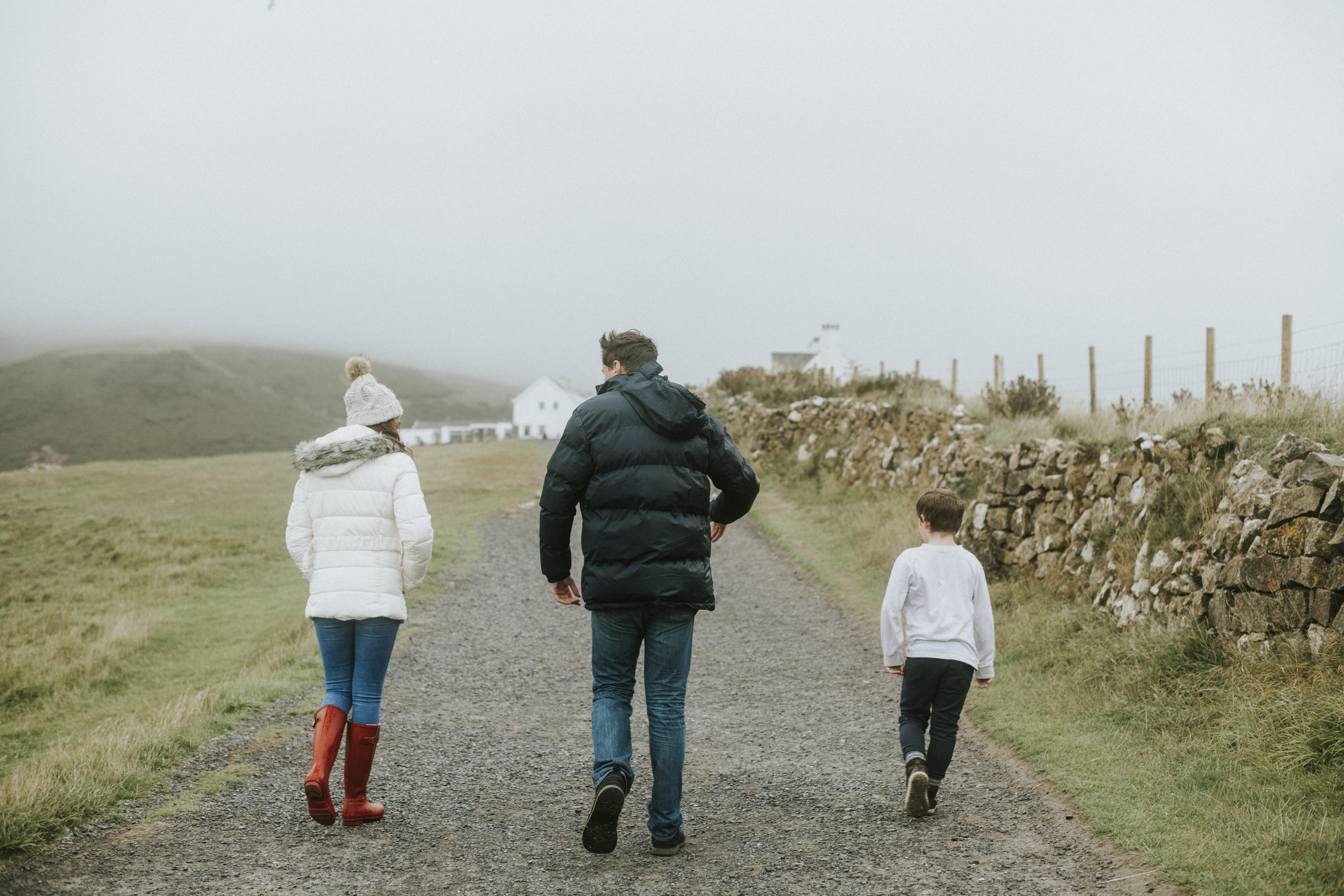
Joining a walking group or sharing steps with a partner is one of the most reliable ways to maintain a consistent walking habit. Social motivation shifts physical activity from a solitary chore into an engaging shared experience, pairing mutual accountability with positive reinforcement. When you know someone else is anticipating your presence or progressing alongside you, the mental friction required to lace up your shoes and step outside drops substantially.
Rigorous health research backs up this psychological shift. A comprehensive systematic review and meta-analysis published in the British Journal of Sports Medicine analyzed 42 studies on outdoor walking groups and discovered that group participants demonstrated remarkable adherence rates alongside significant reductions in resting heart rate, blood pressure, and depression symptoms. Shared movement creates an environment where physical activity feels lighter, safer, and inherently more rewarding.
Whether you walk shoulder-to-shoulder with a local club or track milestones with digital companions, social connection turns daily step goals into a sustainable lifestyle. Exploring the behavioral science behind group walking reveals practical strategies to stay active through community support.
The Psychology of Social Accountability and Shared Effort
Human behavior is deeply influenced by social context. When you attempt to establish a walking habit entirely on your own, every session requires personal willpower. On busy or low-energy days, rationalizing a missed walk is easy because no one else is affected. In contrast, pairing your routine with a companion introduces external accountability.
Behavioral scientists studying goal adherence have found that exercising with a partner can increase session frequency by up to 35 percent. This boost occurs partly because coordinating with a friend raises the stakes of skipping, but primarily because social engagement elevates intrinsic enjoyment. When an activity feels enjoyable rather than obligatory, our brains stop viewing it as work.
Group walking also leverages social facilitation—a psychological phenomenon where the mere presence of others engaged in the same task enhances individual effort. Walking beside someone naturally moderates your pace and helps you walk farther without feeling disproportionately fatigued. The focus shifts away from physical effort toward conversation, surroundings, and shared milestones.
The Physical and Emotional Perks of Group Walking
Walking in a group provides unique emotional and physiological benefits that solitary walks cannot always replicate. The combination of light aerobic exercise and social interaction delivers a powerful dual effect on mental health, reducing feelings of isolation while stimulating the release of mood-elevating endorphins.
Side-by-side movement fosters a distinct conversational dynamic. Unlike face-to-face interactions across a table, which can sometimes feel intense or confrontational, walking shoulder-to-shoulder allows people to gaze forward at the path ahead. This low-pressure geometry makes open, meaningful conversation feel much more natural, helping walkers process daily stress and build deeper interpersonal connections.
Beyond emotional well-being, walking clubs offer practical safety and routine. Group walks typically follow predictable schedules and well-scouted routes, giving participants the confidence to explore new neighborhoods, parks, and trails they might hesitate to navigate alone. Over time, these weekly gatherings anchor a person's calendar, turning sporadic physical activity into an automatic rhythm.
Connecting with Explorers on GoAtlas Virtual Routes
In-person walking clubs are fantastic, but rigid group schedules, geographic limits, or solitary preferences mean you cannot always gather with friends in the physical world. Digital community tools bridge this gap by offering the motivational benefits of shared journeying on your own personal schedule.
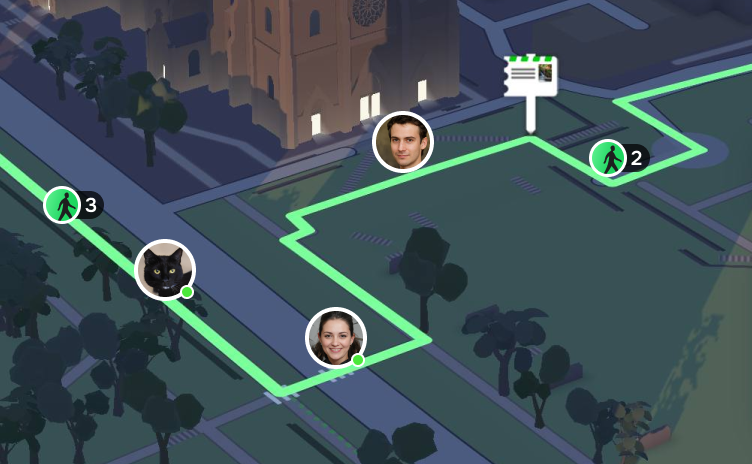
Within the GoAtlas walking app, your real daily steps advance your personal avatar along mapped virtual routes around the world. To make your journey feel lively and connected rather than solitary, GoAtlas includes a Live Route Participants feature. When you open your active route, you can see other real explorers who are currently making progress along that same path.
Tapping on a participant's avatar allows you to view their public activity and route progress, giving you a clear sense of collective momentum. While GoAtlas never reveals a user's exact real-world GPS coordinates, seeing fellow walkers steadily advancing along the virtual trail reminds you that you are part of a larger, active community moving toward shared destinations.
Practical Strategies for Building Your Walking Community
Building social momentum does not require joining a massive running organization or organizing complex logistics. Small, deliberate social steps can transform your movement routine:
- Establish a recurring walking date: Pair up with a friend, neighbor, or family member for a set time each week—such as Saturday mornings or Tuesday evenings—to eliminate scheduling friction.
- Turn phone calls into walk-and-talks: Catch up with distant friends or family while pacing your neighborhood rather than sitting on the couch.
- Seek community-oriented programs: Look for local walking initiatives organized by community centers, park districts, or volunteer-led groups.
- Share progress digitally: Celebrate personal step streaks or virtual route milestones within supportive online communities or fitness apps.
By layering social connection onto your daily routine, walking evolves from a solo discipline into an enriching communal habit that lasts for years.
Try this on your next walk
Invite a friend, colleague, or family member to join you for a focused 20-minute walk this week, or call someone you have been meaning to catch up with while you walk. Pay attention to how quickly the time passes and how effortless the physical movement feels when your mind is engaged in shared conversation.